piping

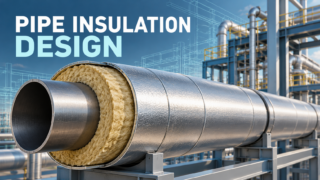
Pipe Insulation Selection: What Engineers Must Check Beyond the BIM Model

The introduction of these new insulation templates in MagiCAD Cloud marks a significant advancement in design efficiency. By preloading insulation ranges into project templates, users can focus on the creative aspects of their designs while ensuring that the final product meets the required standards for heat loss, condensation control, and moisture protection.

Process/Chemical process

Green Ammonia Compressor Selection: Why Electric Drives Change the Whole Plant

The announcement of Everllence's first PARSYN compressor-train order for the Kakinada green ammonia project underscores the company's commitment to sustainable energy. By leveraging advanced technology, Everllence is poised to revolutionize hydrogen production and contribute to a cleaner future.
Process/Chemical process

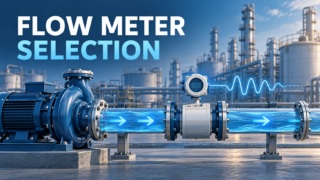
Flow Meter Selection for Pump Systems: Why Installation Matters as Much as Accuracy

Effective pump design involves selecting the right pump and using dependable flow measurement to confirm its operation. Engineers should consider factors like liquid conductivity, viscosity, and pressure-loss allowance to ensure accurate field data. This approach enhances system reliability and performance.
Process/Chemical process

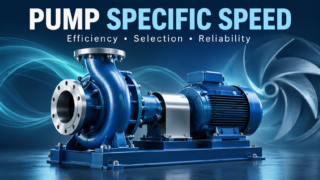
Pump Specific Speed Explained: How to Compare Efficiency and Select the Right Pump

Engineers must consider specific speed, efficiency, and other factors when selecting pumps for their processes.
Heat exchange

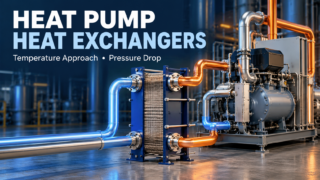
Heat Exchanger Selection for Industrial Heat Pumps: Temperature Approach, Pressure Drop and Part-Load Performance

For process engineers, evaluating heat exchangers alongside compressors and operating conditions is essential to ensure the complete heat pump system performs well.
Process/Chemical process

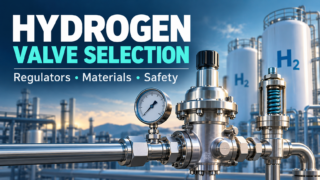
Hydrogen Valve Selection: What Engineers Should Check Beyond Pressure Ratings

Hydrogen technology is poised for a significant leap at the Hydrogen Technology World Expo in Hamburg, with GOETZE showcasing innovative safety valves and fittings. For engineers, this event is a critical opportunity to explore the nuances of hydrogen service, emphasizing the importance of pressure regulation, internal materials, and sealing behavior beyond just high-pressure ratings.
piping

Mechanical Seal vs Gland Packing: Differences, Advantages, Disadvantages, and Selection Guide

Mechanical seals and gland packing are essential for preventing fluid leakage in industrial pumps and rotating equipment. Mechanical seals, with their precision-machined faces, offer superior sealing performance and low maintenance requirements, making them ideal for hazardous and high-pressure applications. In contrast, gland packing, with its simple construction and ability to handle dirty or abrasive fluids, is favored for its cost-effectiveness and versatility.
pumps

What Is Secondary Alignment? Machine Alignment After Installation

IntroductionSecondary alignment is a precision adjustment process performed after machinery such as pumps, compressors, ...
Process/Chemical process

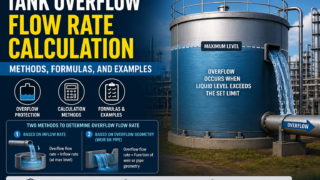
Tank Overflow Flow Rate Calculation: Methods, Formulas, and Examples

Learn how to calculate tank overflow flow rates with practical methods, formulas, and worked examples for plant and piping engineering.
Installation

Glass Wool vs Rock Wool: Key Differences, Properties, and Applications

Learn the key differences between glass wool and rock wool, including thermal insulation, fire resistance, density, and applications. A practical guide for engineers and insulation selection.